Plants That Are Slow to Wake Up
Every year, we get calls from panicked customers who are concerned that certain plants in their garden may be dead. This is understandable. The sun is shining, the weather is lovely, and the spring green is popping out everywhere. Alas, they sits a plant that looks like a dead twig or an empty spot in the perennial bed is bare.
Fear not! There is a good possibility that your plant is still alive but just hasn’t emerged yet. There are several plants that fall into this category. The following list will hopefully ease your fears.
Keep a close eye on the base of the plant. You may detect a faint green coloring or may even see a leaf developing. You can also lightly scratch a stem – if there is green underneath, the plant is alive.
Here are some plants that hit the snooze button –
Shrubs & Trees
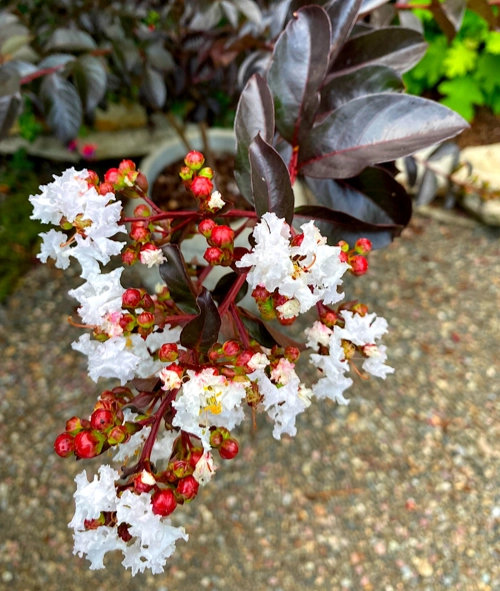
Crape Myrtle (Lagerstroemia) – the most asked-about plant. Take a close look at the branches and you should see faint buds forming soon.
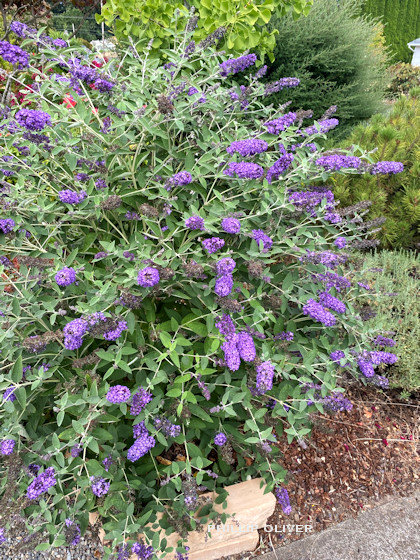
Butterfly Bush (Buddleia) – If you haven’t done so already, prune back butterfly bush. You can do this drastically (1-2 feet from the ground) or more sparingly. The new blooms are going to form on new wood, so cutting them back will make them tidier and more attractive in the landscape. New growth is a bit slow, but new leaves should start emerging soon.
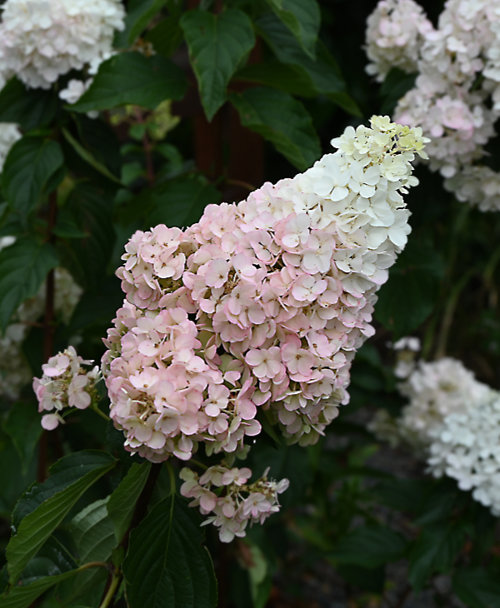
Panicle Hydrangea (Hydrangea paniculata) – The late-blooming panicle-type hydrangeas are very late to leaf out. This type of hydrangea can also be cut back as much as you want in the spring. They bloom on new wood.
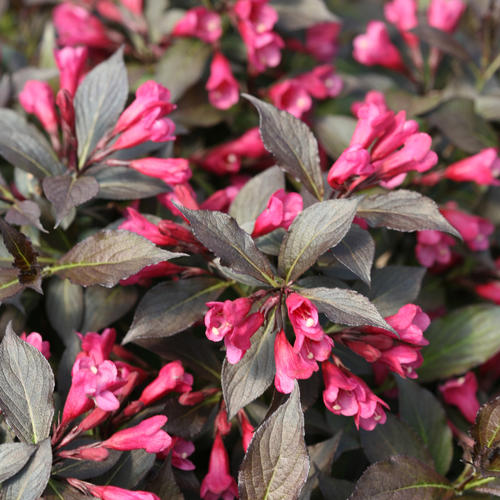
Weigela – This is a shrub that blooms early in spring, so do not cut it back until after it blooms. New growth is slow to appear. (Photo: Proven Winners)
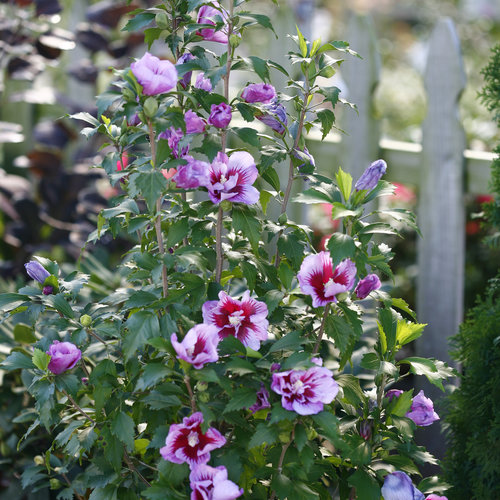
Hibiscus – Both the perennial/shrub type hibiscus as well as the Rose-of-Sharon are late to emerge in spring. They are very hardy plants and are probably just fine. Be patient! (Photo: Proven Winners)
Perennials
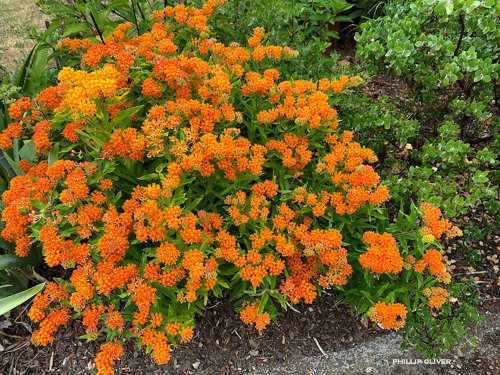
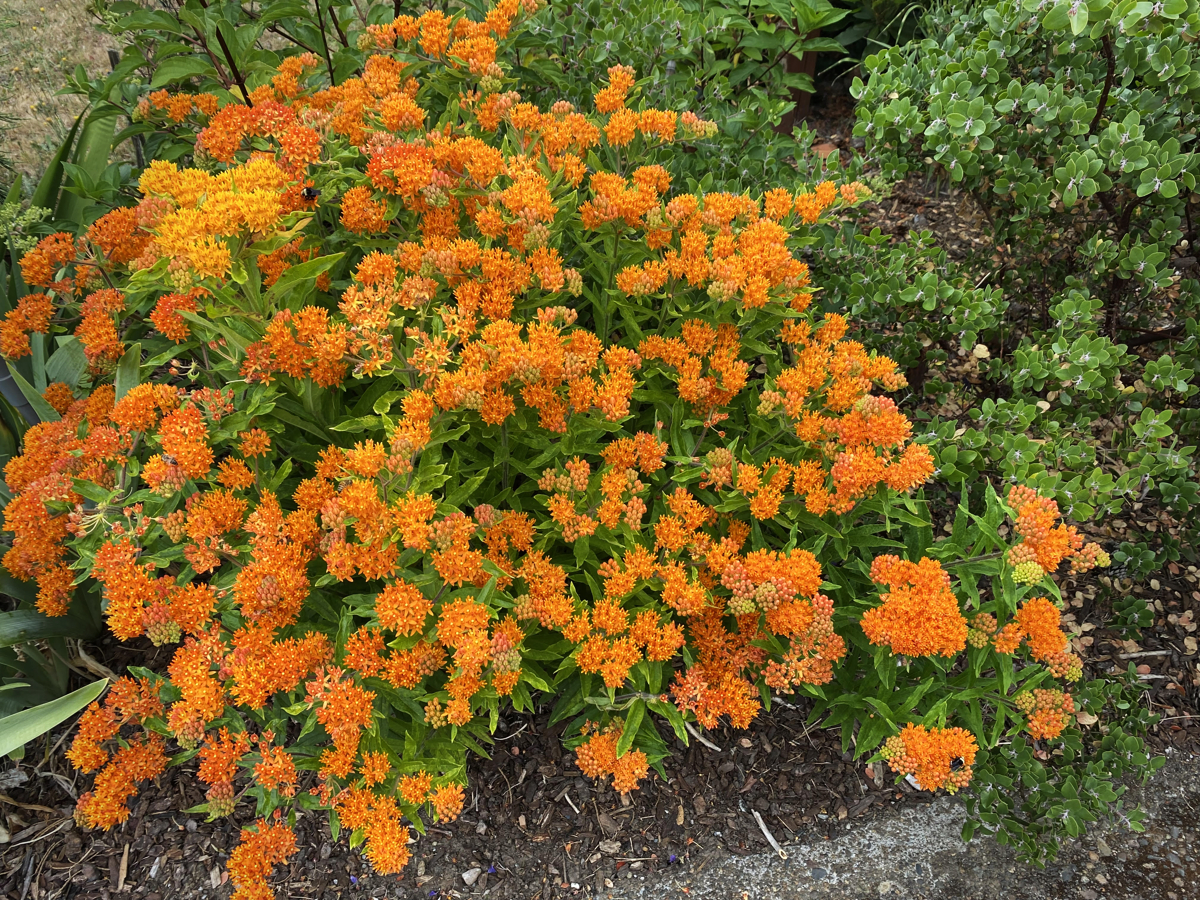
Butterfly Weed (Asclepias tuberosa)
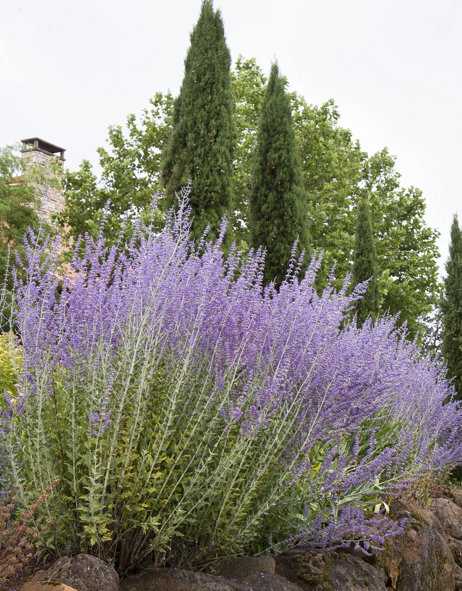
Russian Sage (Perovskia) (Photo: Monrovia)
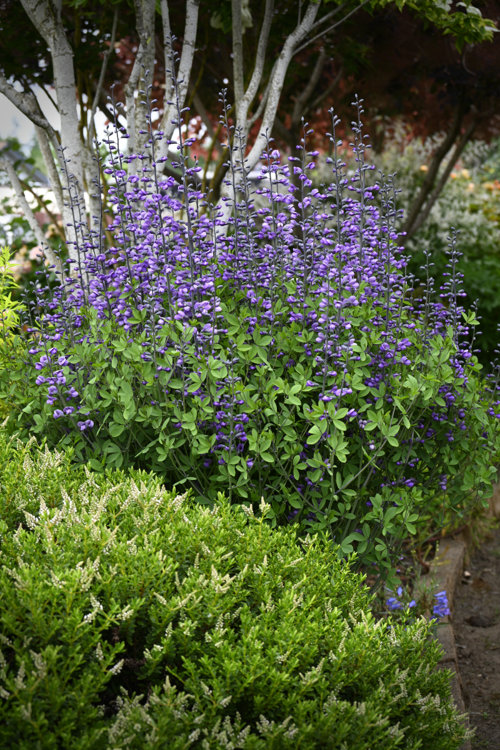
False Indigo (Baptisia)
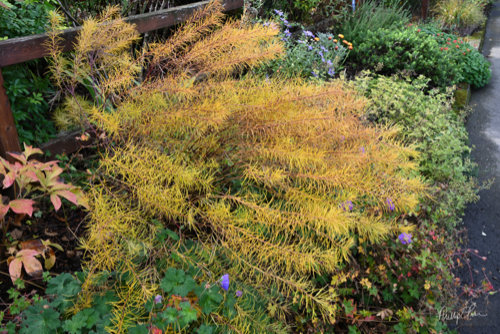
Blue Star (Amsonia)
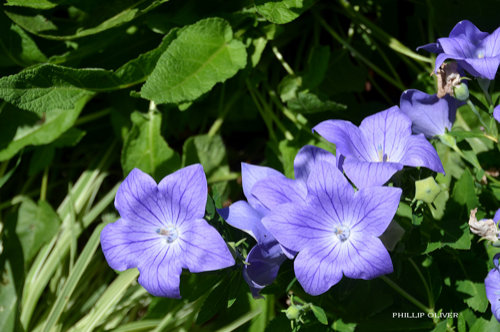
Balloon Flower (Platycodon)
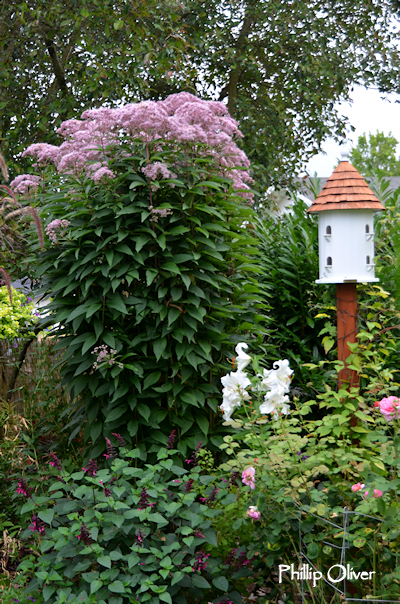
Joe Pye Weed (Eupatorium)
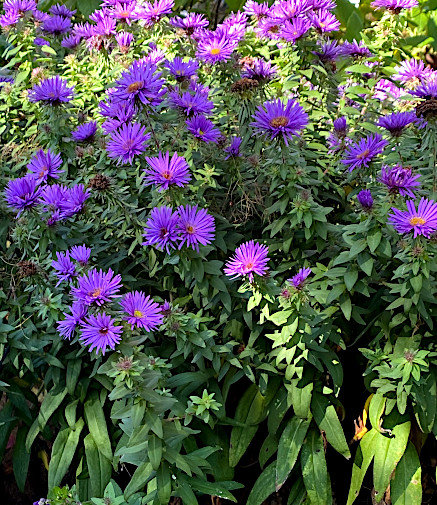
Aster (Asteraceae)
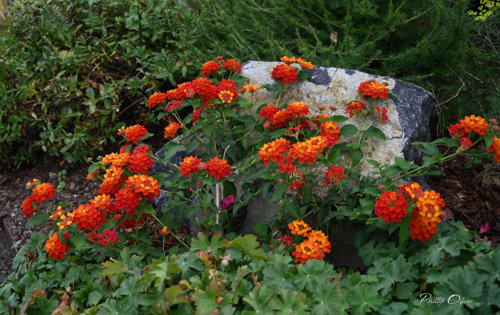
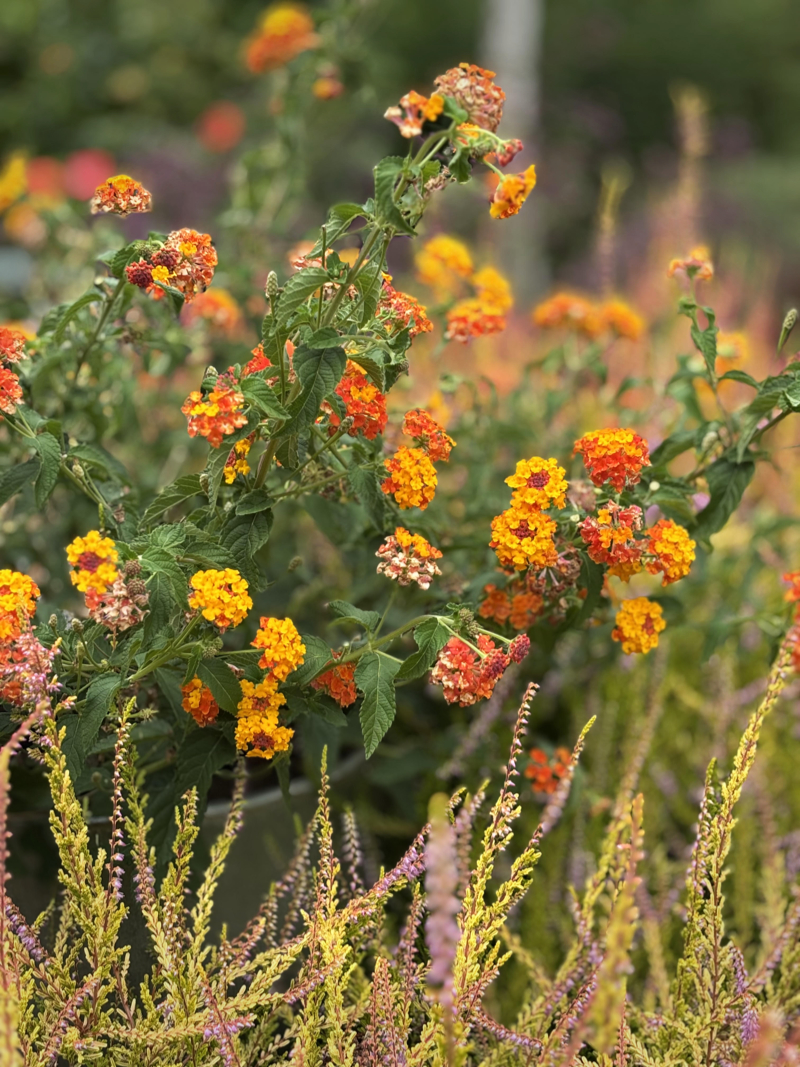
Lastly, I want to include Lantana. Although this is usually an annual in our climate, some varieties will return if they were in a sheltered location and/or didn’t get too much moisture during the winter. If you have such a variety, new growth might emerge, but they are very late.
Photos by Phillip Oliver, unless indicated otherwise.