Garden Activities for April
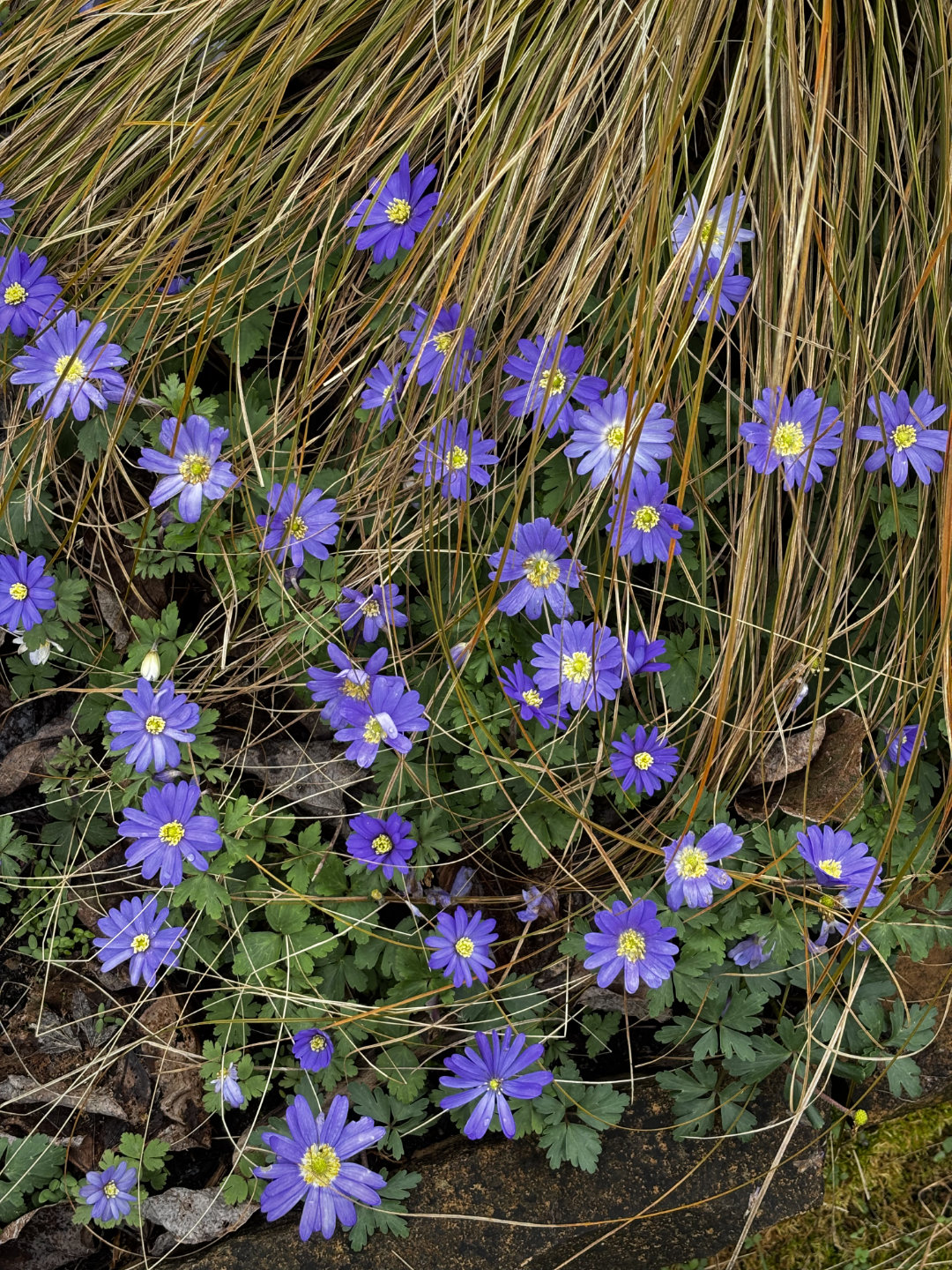
April began on the wet side, but the extended forecast shows some warm and beautiful days ahead. Nighttime temperatures are still too cold to plant tender plants like annuals and some vegetables, but this is a good time to get perennials, shrubs, and trees in the ground. Keep in mind, however, that our nights are still too cold to plant tender vegetation such as annuals and many vegetables. Likewise, container plants should be covered if frost is predicted.
This is an exciting time as new vegetation is emerging and the garden is transforming daily. Here are some chores to do this month.
- Planting – An excellent time to plant trees, shrubs, roses, and perennials before the weather gets drier. Wait until the mid to late part of the month to plant tender annuals and warm-season vegetables. Near the end of the month, bring out dahlias, cannas, and other sensitive plants that were stored during the winter.
- Pruning – Early flowering shrubs (forsythia, rhododendron, quince) should not be pruned until after they have flowered. Shear back heather, kinnikinnick, cotoneaster, and creeping St. John’s Wort. If you haven’t cut back perennials, do that soon. Cut back hardy fuchsia to the ground. Allow foliage of spring-flowering bulbs to brown and die down before removing.
- Fertilizing – Roses should be fertilized with a granular fertilizer when new leaves develop later in the month. Do not fertilize newly planted trees. Water, then fertilize early-blooming shrubs such as camellias and rhododendrons after they bloom. This is a good time to apply compost and other organic fertilizers as a top dressing.
- Weeding – Get a head-start on weeding! You will thank yourself later.
- Watering – Most plants need at least one inch of water per week. Newly planted trees and shrubs should be watered several times per week until they get established. Be aware that, although it seems we get frequent rain this time of year, it is usually light showers. Be sure to water newly planted trees and shrubs deeply.
- Lawns – Overseeding existing lawns or seeding new ones can be done now. Older lawns (3 or more years) can be aerated and thatched if needed. Fertilize existing lawns with nitrogen. A good fertilizer for the grass is Triple Start 16-16-16.
- Vegetables – Continue planting cool-season crops of broccoli, Brussels sprouts, cabbage, carrots, cauliflower, chard, chives, endive, leeks, lettuce, peas, radishes, rhubarb, rutabagas, spinach, and turnips. It is too early to plant tomatoes and other tender crops without protection.